
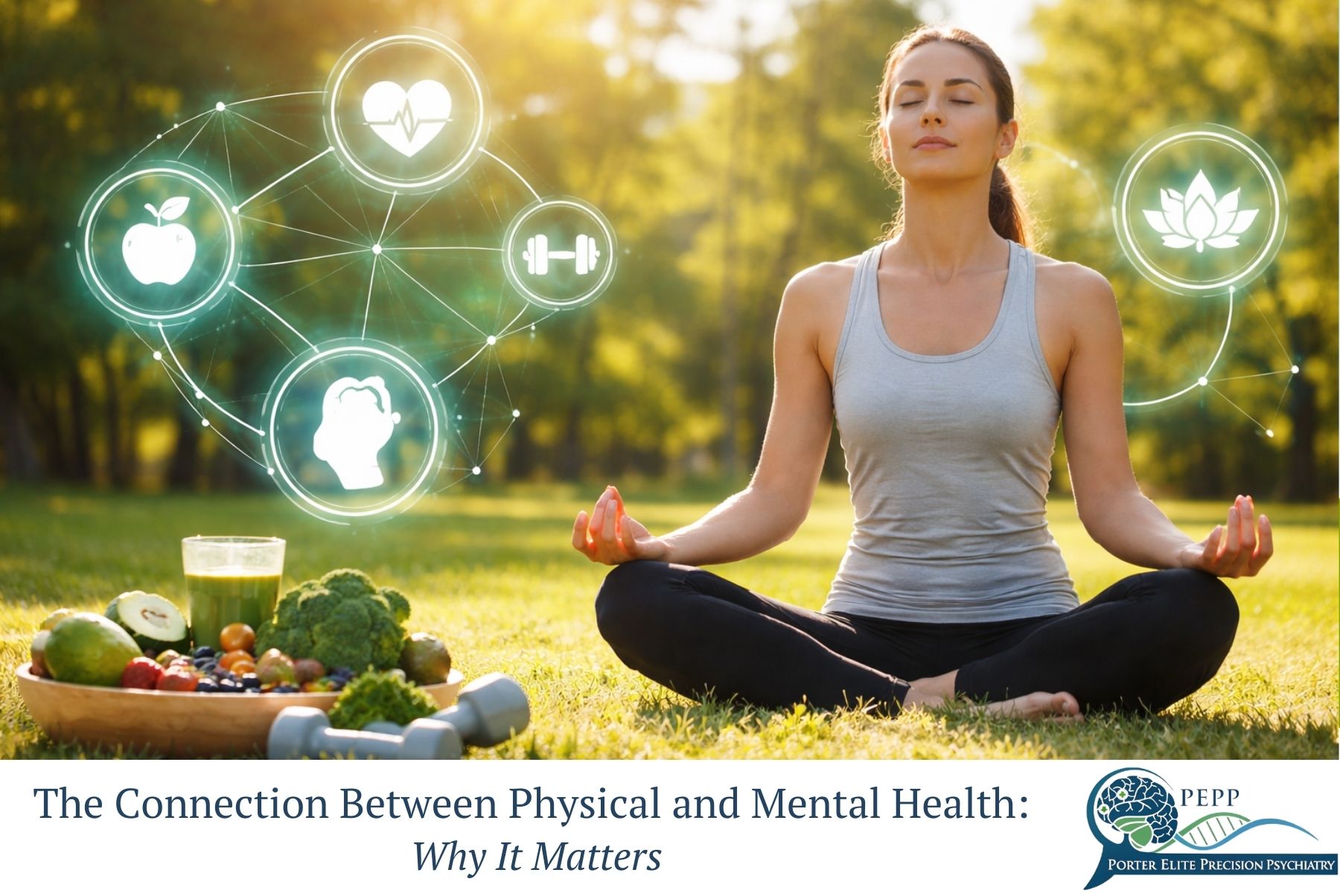
Mental health and physical health are often discussed as separate aspects of wellness, but in reality, they are deeply interconnected. What happens in the body affects the mind—and what happens in the mind affects the body. Understanding this connection is essential for achieving lasting wellness and improving quality of life.
At Porter Elite Precision Psychiatry & Wellness Center, a whole-person approach to mental health care helps patients understand and address the powerful relationship between physical and mental well-being. By focusing on the mind-body connection, individuals can experience better emotional balance, improved physical health, and a stronger foundation for overall wellness.
Understanding the Mind-Body Connection
The mind and body constantly communicate through complex biological systems, including the nervous system, hormones, and immune responses. Stress, emotional health, sleep, nutrition, and physical activity all play a role in shaping mental and physical outcomes.
For example, chronic stress can trigger physical symptoms such as headaches, muscle tension, digestive problems, and fatigue. At the same time, physical illnesses or lifestyle habits can significantly influence mood, concentration, and emotional resilience.
When both physical and mental health are addressed together, individuals are more likely to experience meaningful and lasting improvements in their well-being.
How Physical Health Influences Mental Health
Exercise and Brain Function
Regular physical activity has powerful effects on mental health. Exercise stimulates the release of endorphins and other neurotransmitters that improve mood and reduce symptoms of anxiety and depression.
It also improves sleep, boosts energy levels, and enhances cognitive function.
Nutrition and Emotional Balance
What you eat can directly impact how you feel. Nutrient deficiencies, blood sugar fluctuations, and poor dietary habits may contribute to mood swings, irritability, and fatigue.
Balanced nutrition supports brain health by providing the vitamins, minerals, and fatty acids needed for proper neurotransmitter function.
Sleep and Mental Wellness
Sleep plays a critical role in emotional regulation, memory processing, and stress management. Poor sleep can worsen symptoms of anxiety, depression, and irritability while also weakening the immune system.
Establishing healthy sleep habits is often a foundational step in improving both mental and physical health.
How Mental Health Affects Physical Health
Mental health conditions can also produce significant physical effects. Anxiety, depression, and chronic stress may contribute to:
- Increased inflammation in the body
- Higher risk of cardiovascular disease
- Digestive issues and gastrointestinal discomfort
- Weakened immune function
- Chronic fatigue or pain
When mental health concerns are left untreated, they can contribute to long-term physical health complications. Addressing psychological well-being can often lead to noticeable improvements in physical health symptoms.
Why a Whole-Person Approach Matters
Traditional health care sometimes treats mental and physical health separately. However, a more effective approach recognizes that both aspects of health influence each other.
A comprehensive wellness plan may include:
- Psychiatric evaluation and treatment
- Lifestyle and wellness counseling
- Stress management strategies
- Sleep improvement guidance
- Nutritional and behavioral support
By addressing the full spectrum of factors that influence health, individuals can achieve more balanced and sustainable wellness.
Signs Your Mind and Body May Be Out of Balance
Many people experience physical symptoms that are connected to emotional or psychological stress. Common signs include:
- Persistent fatigue
- Headaches or muscle tension
- Digestive discomfort
- Difficulty sleeping
- Trouble concentrating
- Mood swings or irritability
- Loss of motivation or interest
If these symptoms are ongoing or interfering with daily life, a professional mental health evaluation may help uncover underlying causes and provide guidance toward effective treatment.
Steps to Strengthen the Mind-Body Connection
Improving the relationship between physical and mental health doesn’t require drastic changes. Small, consistent habits can make a significant difference.
Some helpful strategies include:
Stay physically active
Even moderate exercise such as walking, stretching, or yoga can boost mood and reduce stress.
Prioritize quality sleep
Maintain a regular sleep schedule and create a relaxing bedtime routine.
Practice stress management
Mindfulness, meditation, breathing exercises, and relaxation techniques can help calm the nervous system.
Maintain a balanced diet
Whole foods rich in nutrients support both brain and body function.
Seek professional support
Mental health professionals can provide personalized care, treatment plans, and strategies to support long-term wellness.
Frequently Asked Questions (Q&A)
What is the mind-body connection?
The mind-body connection refers to the way mental and emotional health influence physical health, and vice versa. Thoughts, emotions, and stress levels can impact bodily systems such as the immune, cardiovascular, and digestive systems.
Can physical health problems cause mental health issues?
Yes. Chronic illness, pain, hormonal changes, and sleep disorders can contribute to anxiety, depression, and other mental health challenges.
Can improving physical health help mental health?
In many cases, yes. Regular exercise, balanced nutrition, quality sleep, and stress management can significantly improve mood, energy levels, and emotional resilience.
Why do stress and anxiety cause physical symptoms?
Stress activates the body’s fight-or-flight response, releasing hormones like cortisol and adrenaline. When this response occurs frequently or for long periods, it can lead to physical symptoms such as headaches, muscle tension, digestive issues, and fatigue.
When should someone seek professional mental health care?
If emotional or physical symptoms persist, interfere with daily activities, or worsen over time, it may be helpful to seek professional evaluation. Early support can improve both mental and physical well-being.
How does integrated mental health care help patients?
Integrated care addresses psychological, emotional, and lifestyle factors together. This approach can lead to more accurate diagnoses, personalized treatment plans, and better long-term outcomes.
Contact Porter Elite Precision Psychiatry & Wellness Center
Porter Elite Precision Psychiatry & Wellness Center
850 NW Federal Highway, Ste 220
Stuart, FL 34994
 Phone: (772) 444-8879
 Website: peppwell.com
